
Startup Business Credit Cards USA – Founder Managing Business Finances
Startup business credit cards allow founders to pay for everyday business expenses such as software subscriptions, advertising, travel, and office supplies. These cards help businesses earn rewards while also building business credit.
Unlike personal credit cards, business credit cards are designed specifically for companies and often offer higher credit limits, employee spending controls, and detailed expense tracking.
Many founders worry about qualifying for a business credit card when their company is new or has limited revenue. However, several financial institutions offer cards specifically designed for startups. Some providers even evaluate applications based on bank balances or startup funding rather than credit history.
To apply, founders typically complete an online application, provide business details, and submit basic documentation. Before applying, it is helpful to prepare your EIN, business bank account information, and basic financial details.
This guide explains everything you need to know about startup business credit cards in the United States, including how they work, their benefits, and the best card options available.
What Are Startup Business Credit Cards?
Startup business credit cards are financial products designed for newly established companies. They help entrepreneurs manage expenses, build business credit, and access short-term financing.
Unlike traditional loans, a credit card provides a revolving line of credit. This means you can borrow money, repay it, and borrow again as long as you stay within your credit limit.
Startup business credit cards typically offer several useful features, including:
- Higher credit limits
- Cashback or rewards on purchases
- Expense tracking tools
- Employee cards with spending limits
- Integration with accounting software
These features help startups manage finances efficiently while keeping personal and business expenses separate.
Why Startups Need Business Credit Cards
Many new founders initially use their personal credit cards to pay for business expenses. While this might work temporarily, it can create financial complications over time.
A business credit card offers several advantages that help startups operate more professionally and efficiently.
1. Separation of Personal and Business Finances
Separating personal and business finances is essential for proper financial management. Mixing expenses can make bookkeeping difficult and complicate tax reporting.
A business credit card keeps all company expenses in one place, making accounting and tax preparation easier.
2. Building Business Credit
Just like individuals, businesses also have credit profiles. When a company uses a business credit card responsibly and makes payments on time, this activity may be reported to business credit bureaus.
Building business credit can help a company qualify for loans, equipment financing, and vendor credit in the future.
3. Cashback and Rewards
Many business credit cards provide cashback or reward points for common business expenses such as advertising, travel, and software subscriptions.
For startups that spend heavily on marketing or SaaS tools, these rewards can reduce operating costs.
4. Expense Management Tools
Modern business credit cards include built-in expense management tools. These tools allow founders to categorize transactions, track budgets, and generate reports.
Some providers also allow virtual employee cards, which help control spending and prevent unauthorized purchases.
5. Access to Short-Term Capital
Cash flow is one of the biggest challenges for startups. A credit card can provide short-term financial flexibility when expenses occur before revenue is received.
For example, a startup might use a credit card to pay for advertising campaigns and then repay the balance once customer payments arrive.
How Startup Business Credit Cards Work
Startup business credit cards function similarly to personal credit cards but include features designed specifically for businesses.
When you are approved for a card, the issuer assigns a credit limit. This is the maximum amount your business can borrow.
You can use the card for purchases and repay the balance later. If you pay the full balance before the due date, you typically avoid interest charges.
If you carry a balance, interest is charged based on the card’s APR (Annual Percentage Rate).
Some startup cards operate as charge cards rather than traditional credit cards. With a charge card, the full balance must be paid each month, but these cards usually do not charge interest.
Rewards programs vary by provider. Some cards offer flat cashback on all purchases, while others provide higher rewards for categories such as travel, advertising, or software expenses.
Best Startup Business Credit Cards in the USA
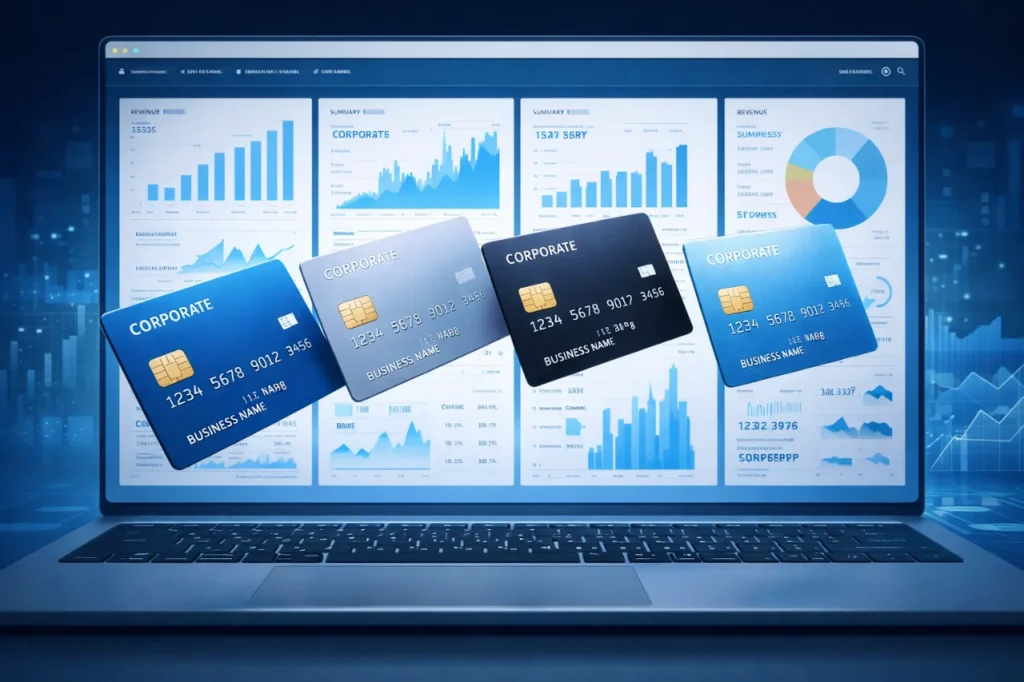
Several financial institutions offer strong credit card options for startups. When comparing cards, founders should consider factors such as approval requirements, APR, rewards, annual fees, credit limits, and whether a personal guarantee is required.
Below is a summary of some popular startup business credit cards.
American Express Blue Business Cash Card
- 2% cashback on the first $50,000 in annual purchases, then 1%
- $0 annual fee
- Introductory 0% APR for 12 months
- Expanded buying power and expense management tools
- Requires a personal guarantee
Capital One Spark Cash Select
- Unlimited 1.5% cashback on purchases
- $0 annual fee
- Introductory 0% APR on purchases for 12 months
- Free employee cards
- Travel perks through Capital One Travel
Brex Corporate Card
- Rewards for travel, rideshare, and software spending
- $0 annual fee
- No APR (charge card paid monthly)
- Approval based on business revenue or funding
- No personal guarantee for most applicants
Ramp Corporate Card
- Unlimited 1.5% cashback rewards
- $0 annual fee
- No APR (charge card paid monthly)
- Unlimited virtual cards
- Advanced expense management automation
- Approval based on business financials rather than personal credit
Chase Ink Business Unlimited Credit Card
The Chase Ink Business Unlimited Credit Card is one of the most popular options for startups and small businesses.
It offers simple rewards and predictable cashback on all purchases.
Key features include:
- Unlimited 1.5% cashback on all purchases
- $0 annual fee
- Introductory 0% APR period on purchases
- Employee cards available
This card is ideal for startups that want a straightforward rewards program without tracking spending categories.
American Express Blue Business Cash Card
The American Express Blue Business Cash Card is designed for small businesses that want strong cashback rewards.
Key features include:
- 2% cashback on the first $50,000 in purchases each year
- No annual fee
- Expanded buying power
- Built-in expense management tools
This card is suitable for startups that spend heavily on everyday business expenses.
Capital One Spark Cash Select
The Capital One Spark Cash Select is known for its simple rewards and easy-to-understand benefits.
Key features include:
- Unlimited 1.5% cashback
- No annual fee
- Free employee cards
- Travel rewards through Capital One Travel
This card works well for startups that want a simple cashback structure.
Brex Corporate Card
The Brex Corporate Card is designed for startups, especially venture-backed companies.
Important features include:
- Approval based on company revenue or funding
- No personal credit check for many applicants
- Rewards for travel, rideshare, and software purchases
- Advanced financial management tools
This card is popular among technology startups and venture-funded businesses.
Ramp Corporate Card
The Ramp Corporate Card focuses on financial automation and expense management.
Key features include:
- Unlimited cashback rewards
- Automated expense categorization
- Unlimited virtual cards
- Integration with accounting software
Ramp is a strong option for startups that want detailed financial insights and automation.
Comparison of Startup Business Credit Cards
| Card | Annual Fee | Rewards | Best For |
|---|---|---|---|
| Chase Ink Business Unlimited | $0 | 1.5% cashback | Simple rewards |
| American Express Blue Business Cash | $0 | 2% cashback | High spending |
| Capital One Spark Cash Select | $0 | 1.5% cashback | Small startups |
| Brex Corporate Card | $0 | Points rewards | Venture-backed startups |
| Ramp Corporate Card | $0 | Cashback | Expense management |
Requirements to Get a Startup Business Credit Card
Although these cards are designed for startups, you still need to meet certain requirements.
Common requirements include:
- Business registration documents
- Employer Identification Number (EIN)
- Personal identification
- Business bank account details
- Estimated revenue or funding information
- Personal credit information (for cards requiring a personal guarantee)
Having these documents ready can make the application process faster.
How to Increase Your Approval Chances
Startups can improve their approval chances by following a few strategies.
Improve Your Personal Credit
Many issuers rely on the founder’s credit score. Maintaining a strong credit profile increases approval chances.
Maintain Low Credit Utilization
Keeping balances below 30% of your credit limit shows responsible credit usage.
Show Business Revenue
Even modest revenue can demonstrate your ability to repay borrowed funds.
Start with Beginner-Friendly Cards
Some cards are specifically designed for new businesses with limited credit history.
Tips for Building Business Credit Quickly
Building business credit takes time, but startups can accelerate the process with good financial habits.
Pay Bills on Time
Payment history is the most important factor in credit scoring.
Keep Credit Usage Low
Using less of your available credit helps maintain a healthy credit profile.
Work With Vendors That Report Payments
Some suppliers report payments to business credit bureaus, helping build your credit history.
Monitor Business Credit Reports
Regularly checking your business credit report ensures accuracy and helps detect potential issues early.
Startup Business Credit Cards vs Personal Credit Cards
Some founders consider using personal credit cards for business expenses. While convenient, business credit cards offer several advantages.
Higher Credit Limits
Business cards often provide higher limits based on company financial activity.
Business-Focused Rewards
Rewards programs often target business spending categories such as advertising, travel, and software.
Better Expense Tracking
Business credit cards simplify accounting and financial reporting.
Business Credit Reporting
Using a business credit card helps build your company’s financial reputation.
Common Mistakes Startups Should Avoid
Startups sometimes make avoidable mistakes when using business credit cards.
Mixing Personal and Business Expenses
Combining personal and business purchases complicates accounting.
Missing Payments
Late payments damage both personal and business credit scores.
Applying for Too Many Cards
Submitting multiple applications in a short period can negatively affect credit scores.
Frequently Asked Questions
Can startups qualify for business credit cards?
Yes. Many credit card issuers offer products specifically designed for startups and new businesses.
Do I need an EIN to apply?
Most issuers prefer an EIN, although sole proprietors may sometimes apply using their Social Security number.
What credit score is required?
Many banks prefer a personal credit score of around 670 or higher.
Can LLC owners get business credit cards?
Yes. LLC owners can apply using their business details and EIN.
Conclusion
Startup business credit cards can be powerful financial tools for entrepreneurs in the United States. They help founders manage expenses, earn rewards, and build business credit that supports future growth.
Options such as the Chase Ink Business Unlimited Credit Card, Brex Corporate Card, and Ramp Corporate Card provide strong benefits for new businesses, including cashback rewards, expense management tools, and flexible approval requirements.
By choosing the right card and using it responsibly, startups can improve cash flow, simplify accounting, and build a strong financial foundation for long-term success.